A neglected barbecue quickly accumulates rust and residue, compromising not only cooking but also food safety. Despite the apparent sturdiness of the bowl bottoms, corrosion often sets in within a few seasons, even on enameled steel models.
Reviving the base of your barbecue requires neither professional equipment nor extravagant spending. A bit of method and regularity is enough to make a difference. Well-maintained, this appliance accompanies barbecues year after year without losing efficiency. Five steps, no more, to restore a healthy bowl and start off on the right foot, without getting discouraged or spending the whole day.
Why the bottom of the barbecue deserves your full attention
The most exposed part of the barbecue is undoubtedly the bowl. Burnt fats, ashes, and moisture invite themselves with every use. Although not very visible, it endures the brunt of the attacks and determines the barbecue’s sturdiness, whether it runs on charcoal or gas. Corrosion quietly sets in, then accelerates as cooking sessions pile up.
To keep your barbecue in shape over time, taking care of the bottom is a must. A well-maintained bottom protects both the grates and the flavor of the food. Over the seasons, a clean interior reduces premature wear of burners on gas models and ensures consistently even cooking.
A meticulous cleaning not only extends the life of the bowl: it limits health risks and preserves the quality of the preparations. Renovating the bottom of your barbecue is not a whim: it’s a guarantee of safety, a way to delay rust, protect food, and control the heat under the grate.
Considering the base of the barbecue is protecting your investment. A clean bowl, free of deposits, means healthier cooking, safer use, and an appliance ready to tackle the seasons without faltering.
What tools to choose for effective and hassle-free cleaning?
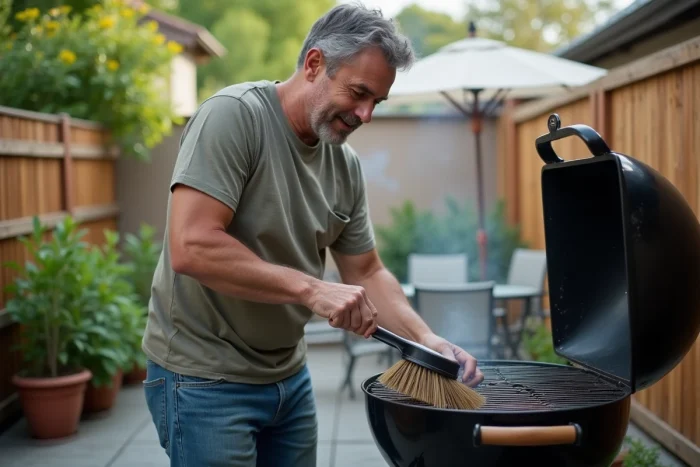
To seriously tackle the bowl of a barbecue, whether charcoal or gas, you need to choose your tools. A metal brush is essential to tackle grease residue and charred bits. The ideal choice? A stainless steel barbecue brush, both robust and gentle on the bottom’s coating.
Soapy hot water remains the best ally for loosening stubborn grease. Generously pour it on, let it sit for a few minutes, then get to work. For enhanced effect, white vinegar works wonders: it cleans thoroughly without damaging chrome, stainless steel, or cast iron.
Here are the tools to prepare for effective cleaning without unpleasant surprises:
- Stainless steel wire brush: ideal for removing ingrained deposits.
- Soapy water: softens the toughest grime.
- White vinegar: neutralizes odors and completes the cleaning.
- Microfiber cloth: ensures a flawless finish without scratching.
For the grates, there are brushes suitable for stainless steel or cast iron, depending on their nature. The microfiber cloth is essential for wiping without leaving lint or marks. Conversely, overly aggressive scrapers should be avoided: they can damage the bowl and reduce the barbecue’s lifespan. Choosing the right tools is already preparing for successful cleaning and ensuring a durable renovation.
The 5 key steps to renovate the bottom of your barbecue like a pro
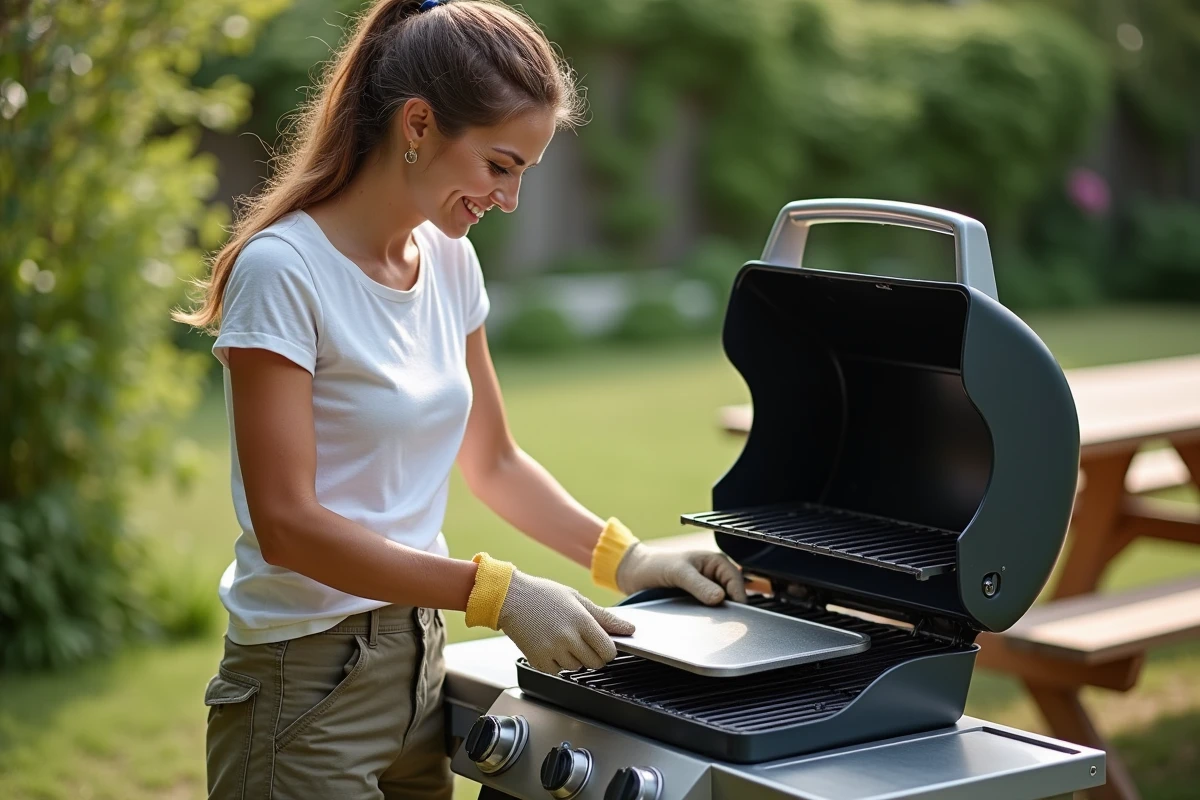
Start by removing the grate and all accessories. This gesture opens up the entire bowl space: access is total, cleaning will be more effective, and the most soiled corners will no longer be able to hide.
Next, equip yourself with an appropriate metal brush, either stainless steel or cast iron depending on the material, and work in circular motions. Focus on cooking marks and grease deposits, aiming to dislodge without damaging the coating, so the bowl lasts.
The method can be summarized in five simple steps:
- Collect particles with a shovel or ash vacuum to eliminate all debris.
- Apply a solution of soapy hot water and wait to dissolve the ingrained grease.
- Rinse thoroughly, dry with a microfiber cloth, then inspect the bottom. Using a protective layer like aluminum foil or a reusable mat helps limit future dirt.
Finally, take a look at the burners if the barbecue runs on gas. A clean bottom ensures good heat circulation, even cooking, and a longer lifespan for the appliance. To maintain these benefits, it’s best to repeat these actions at the start of each season or after big grilled meals. With each maintenance, a bit of the original flame returns, ready to sear the next steak.