
In France, the law still considers animals as movable property in several aspects of the civil code, despite their recognition as living beings endowed with sensitivity since 2015. Yet, the number of reports of abuse addressed to the authorities continues to rise each year, revealing a persistent gap between the texts and the reality on the ground. Local and national initiatives are multiplying, driven by associations, citizen collectives, and public institutions. These actions reflect a growing mobilization, but also structural difficulties and unequal resources in the face of animal welfare challenges.
Why the animal cause has become a major societal issue
The interest in animals has fractured the quiet routine of major societal debates. No longer can the animal cause remain on the sidelines; it asserts itself everywhere: in the assembly, at the university, and even in the workplace. Researchers like Fabien Carrie, Christophe Traini, Jérôme Michalon, and Pierre Serna examine this upheaval from top to bottom, analyzing how the animal rights movement questions even our moral and social foundations. What do we owe to animals? This question permeates books, opinion pieces, and broadcasts, leaving no aspect of collective life untouched.
This dynamic is not new but is experiencing unprecedented acceleration. Behind each demand lies a dilemma: should we treat animals as resources or as subjects capable of rights? Literature is sharpening, opinions are being voiced, and the debate is gaining depth. The movement, once confined to associative spheres, is expanding throughout society. It forces us to rethink our practices, our relationships with living beings, as well as the resistances that hinder change.
It is impossible to mention this mobilization without acknowledging the contribution of information platforms that broaden the conversation. the Animal Liberation website offers analyses, insights, and chronicles that allow us to move beyond mere indignation. By drawing on these resources, everyone can deepen their reflection, refine their understanding of animal rights and animal protection. This field is changing rapidly: the multiplication of collectives, professional structuring, and renewed dialogue with institutions. Defending animals is no longer a marginal theme; it is a mirror of today’s democratic and ethical tensions.
What challenges and injustices do animals face today?
Abuse is not the concern of a few isolated perpetrators. It is part of a system, denounced year after year by experts and associations. Farm animals suffer industrial exploitation that grinds millions of lives each year, often away from public view. In France, the reality is that over a billion land animals are slaughtered annually for the agri-food industry. The numbers speak, but the images and stories—from shelters to slaughterhouses—root this violence in daily life.
Additionally, there is the fate of laboratory animals: 1.8 million of them are used each year for scientific research, proving that models are evolving slowly. On the wildlife side, urban expansion, fragmentation of natural spaces, and the persistence of poaching complicate their survival. The list of threats is long, and responses are often lagging or fragmented.
A civic awakening is taking shape. Associations and collectives are multiplying reports, calling on decision-makers, and proposing new ways to act. Dialogue with industries, though sometimes tense, is nonetheless initiating legislative changes and raising awareness. But there is a long road ahead: establishing justice that includes all animals, both domestic and wild, requires a profound overhaul of mindsets as well as laws.
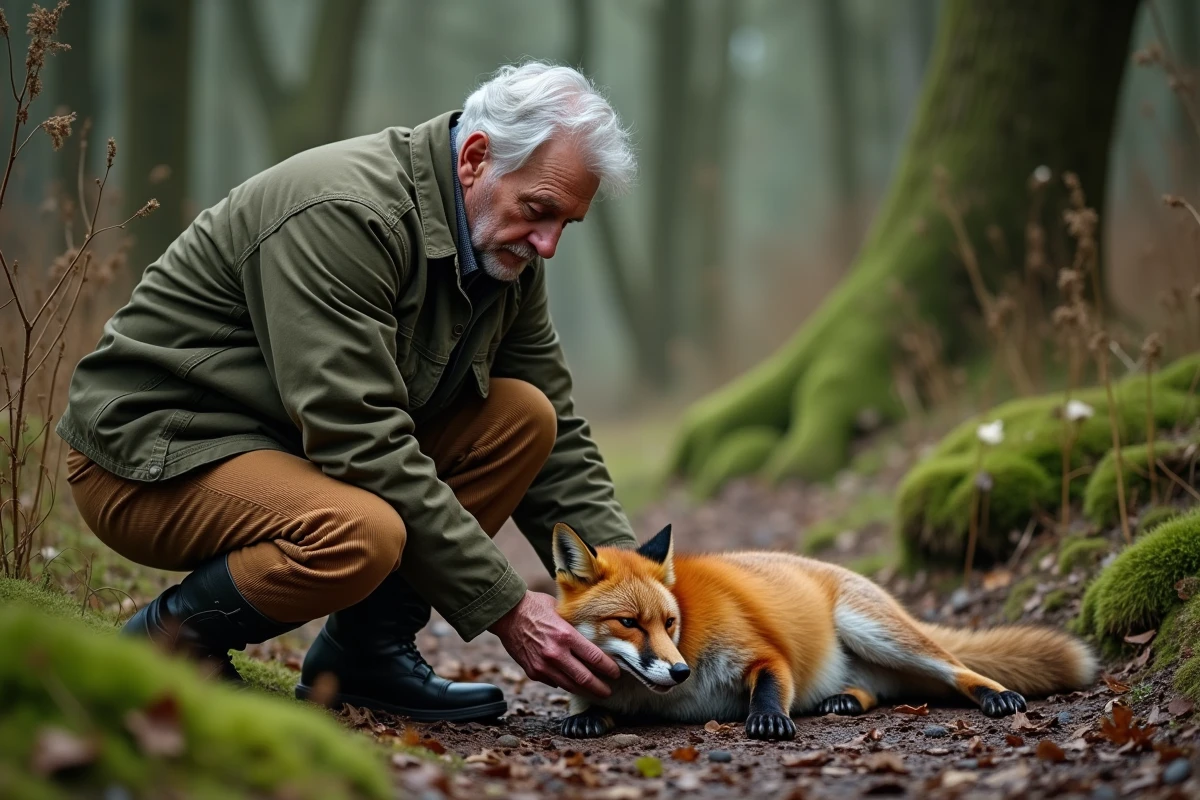
Getting concretely involved in animal defense: inspiring initiatives and accessible means of action
Acting for animals is no longer the concern of an activist elite. In every household, everyone can participate: adapting consumption, mobilizing during an event, sharing information. Donating time to an animal protection association, supporting a campaign, or signing a petition gives a concrete echo to this commitment. Awareness campaigns are diversifying, and the virality of social media amplifies their reach, broadening the circle of mobilization.
Concrete levers for action
For those who want to take action, several simple avenues are available:
- Opt for responsible consumption: purchasing vegan products, paying attention to cruelty-free labels, making informed choices at the supermarket or restaurant.
- Participate in collective actions, whether it’s outreach for stray animals, educational workshops, or associative events dedicated to animal defense.
- Share references to books, scientific studies, or informative resources to fuel the debate on the consideration of animals around you.
Behind every volunteer pet-sitter, every citizen who informs themselves or calls out an institution, there is the same determination: to move society towards greater respect for living beings. The movement owes its strength to this diversity of profiles, from veterinarians to lawyers, from researchers to students. Acting for animal welfare is now participating in the collective effort that is shaping, here and now, a more aware and responsible society. Perhaps we are only witnessing the beginning: the future depends not on speeches, but on what each person is willing to do tomorrow.